


 Book your free consult
 Dentist Referral
Oct 22, 2026
Do you have to wear retainers forever? How long retention really takes after braces or Invisalign®
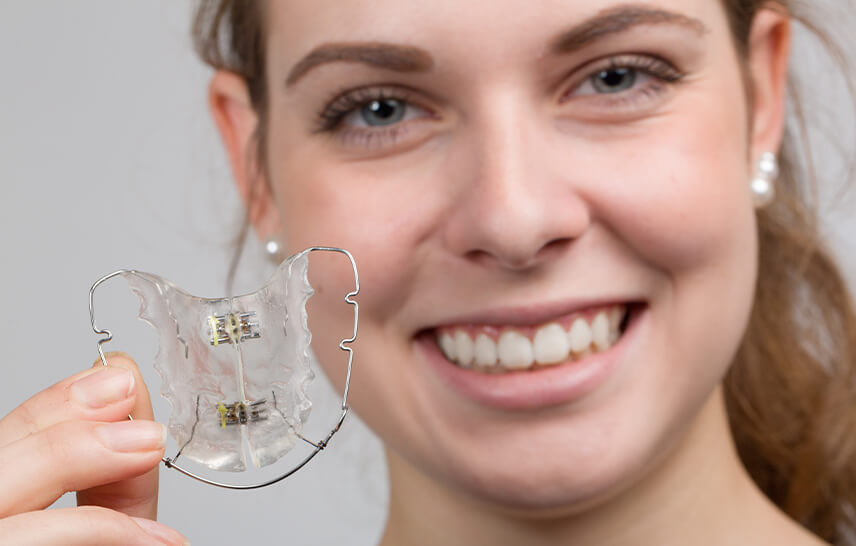
It is one of the most common questions we hear once treatment is nearly finished: do you really have to wear retainers forever? It is a fair thing to ask after months of aligners or braces. The honest answer is that retention is a long-term commitment, but it is far lighter than active treatment, and it is the single most important thing you can do to protect the result you have worked for.
At Mysmile Orthodontics in Miranda and Engadine, retention is planned by a Specialist Orthodontist from the very start, not bolted on at the end. Here is a clear, practical guide to why teeth drift, how long you actually wear retainers, the difference between fixed and removable options, and what happens if you stop.
Why teeth relapse in the first place
Teeth are not set in concrete. They sit in bone, held by fibres and ligaments, and those tissues have a memory of where your teeth used to be. When active treatment ends, that supporting framework needs time to reorganise and settle around the new, straighter positions.
- In the first several months, the bone and fibres around your teeth are still stabilising, so teeth are most likely to move if nothing is holding them.
- Throughout the rest of life, teeth shift naturally with age, growth and everyday chewing forces. This happens to everyone, whether or not they have ever had braces.
- A retainer does not do anything to your teeth. It simply holds them where your specialist placed them while the body does the settling, and then guards against the slow natural drift that would otherwise creep in over the years.
This is why relapse is not a sign that treatment failed. It is simply what unsupported teeth do over time, and it is exactly what a retainer is designed to prevent.
How long do you actually wear retainers?
There are really two phases, and understanding them makes the whole thing feel far more manageable.
- The settling phase. In the first several months after your braces come off or your final aligner is fitted, your teeth are at their most mobile. During this stage your Specialist Orthodontist will usually ask you to wear removable retainers for longer stretches each day while everything stabilises.
- The long-term phase. Once your teeth have settled, retainer wear typically eases back to night-time only. For most people this nightly habit continues indefinitely, because the natural drift that comes with age never fully stops. Fixed retainers, where used, stay bonded quietly in place and keep working in the background without you having to think about them.
So "forever" is not quite the full picture. Active, time-consuming wear is short. What continues long term is a simple nightly habit, or a wire you do not notice, in exchange for keeping your smile straight for life. Your exact schedule is personal to you and will be explained clearly at your final appointment.
Fixed versus removable retainers
Your Specialist Orthodontist will recommend the retainer, or combination, that best suits your teeth, your bite and your lifestyle. There is no single best type.
- Removable clear retainers: Thin, clear trays that look similar to clear aligners and fit over your teeth. They are discreet and easy to take out for eating and cleaning. The trade-off is that they only work when you actually wear them, so they rely on you being consistent.
- Fixed (bonded) retainers: A thin wire bonded quietly behind the front teeth where no one can see it. It holds those teeth in place around the clock without you needing to remember anything, which makes it a popular choice for the lower front teeth.
- A combination: Many patients do best with a fixed retainer behind the front teeth plus a removable retainer worn over the top, giving both constant support and extra protection.
Looking after your retainers
A little daily care keeps retainers working well and lasting longer.
- Clean them gently and regularly. Rinse removable retainers and clean them as advised. Avoid hot water, which can warp clear retainers out of shape.
- Always use the case. The most common way retainers get lost or damaged is being wrapped in a napkin or left loose in a bag. Store them in their case whenever they are out of your mouth.
- Keep brushing and flossing. With a fixed retainer, take extra care to clean around and under the wire so plaque does not build up.
- Keep them away from pets and heat. Dogs are notorious for chewing retainers, and a hot car dashboard will quickly ruin a clear tray.
What if you stop, break or lose one?
This is where the "why bother" question really gets answered. If you stop wearing a removable retainer, or a retainer breaks and is not replaced, your teeth can begin to move, sometimes within days during the early settling phase.
- If a removable retainer breaks or is lost, keep wearing the most recent intact retainer you have to hold your teeth, and get in touch with us as soon as possible for a replacement.
- If a fixed retainer feels loose or a piece lifts away from a tooth, contact us so we can check and re-secure it before teeth have a chance to shift.
- If a retainer suddenly feels tight, that can be a sign your teeth have already started to move. Let us know rather than forcing it on.
The sooner a retainer problem is sorted, the less chance your teeth have to drift, and the easier it is to get you back on track.
Is it the same after Invisalign®?
Yes. Clear aligners such as Invisalign® straighten teeth beautifully, but they do nothing to change the underlying tendency for teeth to drift afterwards. The settling phase and long-term retention work exactly the same way whether you finished with Invisalign®, Spark aligners, Angel Aligners or fixed braces. Whichever path you took to a straighter smile, retention is what makes the result last.
Frequently Asked Questions
Do I really have to wear retainers forever?
In practice, active daily wear only lasts a few months while your teeth settle. After that, most people move to a simple night-time retainer, or have a fixed wire they do not notice, and keep that up long term because teeth naturally drift with age.
How long until I only wear my retainer at night?
It varies from person to person, but many patients move from longer daily wear to night-time only within the first several months once their teeth have stabilised. Your Specialist Orthodontist will give you a schedule tailored to your case.
Which is better, a fixed or removable retainer?
Neither is universally better. Removable retainers are discreet and easy to clean but only work when worn; fixed retainers work around the clock without you thinking about them. Many patients do best with a combination. Your specialist will recommend what suits your teeth and lifestyle.
What happens if I stop wearing my retainer?
Teeth tend to drift back toward their old positions, sometimes within days early on and gradually over months and years later. This can undo your result, which is why consistent long-term wear matters so much.
Is retention different after Invisalign® compared with braces?
No. The need for retention is the same whatever appliance you used. Teeth relapse because of how they are held in bone, not because of the brand of aligner or brace that straightened them.
Next Steps
If you are approaching the end of your treatment, or you had braces years ago and have noticed your teeth starting to shift, we can help. Our team at Miranda and Engadine can review your retention, replace a lost or worn retainer, or advise on the best way to keep your smile straight. The easiest first step is a complimentary specialist consultation, so book a free consultation or contact us and we will take it from there.
Summary
Retainers are the part of orthodontic treatment that makes your results last. Teeth relapse because the bone and fibres that hold them have a memory and because teeth drift naturally with age. Active retainer wear is short, concentrated in the settling phase; what continues long term is a simple nightly retainer or an unnoticed fixed wire. Fixed and removable retainers each have their strengths, care is straightforward, and acting quickly if one breaks is what keeps teeth from moving. The need for retention is the same after Invisalign® as after braces. At Mysmile Orthodontics in Miranda and Engadine, retention is planned by a Specialist Orthodontist from the outset. Book a free consultation or contact us if you need a retainer check, a replacement, or advice on protecting your smile.